Presentations and readings at Rhein 5
This year, we have a separate lecture room. This means that there will be interesting lectures throughout the day, which are included in the entry ticket price.
The lectures will take place on the second floor in room Rhein 5.
10.30 – 11.30 | Reading – Susanne Oswald
12.00 – 13.00 | Presentation Kaschmir-Geschichte aus Kirgisistan – Pamir Fine Fibres
14.00 – 15.00 | Reading – Susanne Oswald
15.30 – 16.30 | Presentation Wie ensteht Garn? – Jule Kebelmann
17.00 – 18.00 | Reading Alpaka – Jule Kebelmann
Details about the presentations and readings
Presentations by Jule Kebelmann
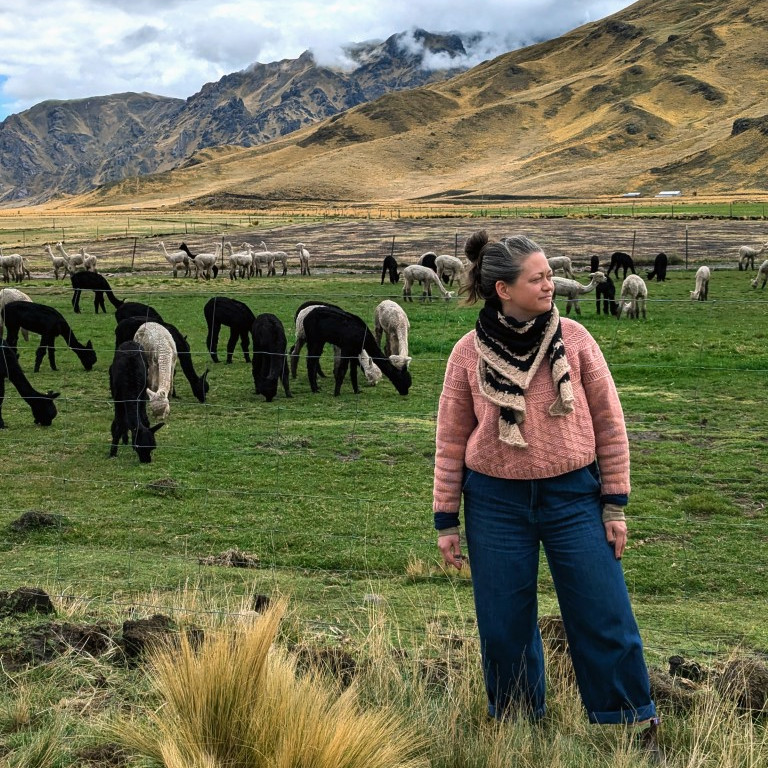
Jule is a textile designer who lives in Berlin and in the countryside in Brandenburg. She founded Hey Mama Wolf ten years ago. Hey Mama Wolf specialises in regional European wool. Until a few years ago, Jule dyed it by hand using plant-based dyes. As the company grew, Hey Mama Wolf became part of Selected Yarns (Erika Knight, BC Garn, Kremke). Jule went along with the change and is now responsible for product development and marketing for all SY brands. Every day, she deals with colours, twisting, fibres and knitwear design. When she finds the time, she also publishes her own knitting patterns.
How is yarn made? – Product development at Erika Knight, from the idea to the finished wool
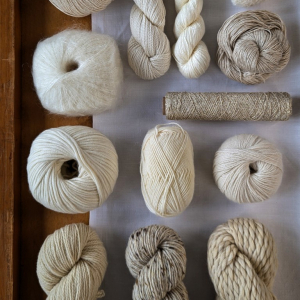 You walk into your favourite wool shop and discover a beautiful new wool in fantastic colours. You take it home with you and can’t wait to start knitting. After a few weeks, your jumper is finished and you wear it with pride.
But what actually happens before the yarn ends up in the shop? From trend analysis to sampling and lab dips to designing the banderole, Jule tells you how the product development of a new wool quality takes place. We dive into the world of different fibres, spinning mills and colours and discover what is possible.
Perhaps you’ve been dreaming of your own yarn label for a while, in which case you’re sure to pick up some useful information. The lecture is aimed at interested professionals as well as enthusiastic knitters and crocheters who want to learn more about yarns.
Language: German
ALPAKA – sustainable knitting with the gold of the Andes
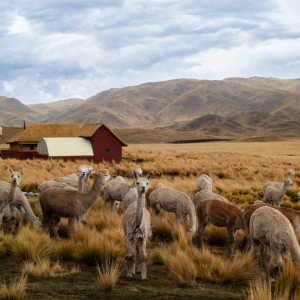 Have you ever met an alpaca? If so, then you know that these animals can really charm you with their gentleness. If you’ve ever held alpaca yarn in your hands, then you know how beautifully soft and silky it can be.
In this lecture, we will delve into the world of alpacas, the Andes and the traditional yarn production in Peru. Jule visited the region in November and brought back lots of great photos. How do alpacas live there and what are the advantages of alpaca breeding in the high mountains of the Andes? How is the fibre processed, from sorting and washing to carding and spinning to the finished knitting yarn? What are the advantages and disadvantages of alpaca wool compared to other fibres? What is the difference between Huacaya and Suri, and is it true that there are black alpacas? Does baby alpaca come from alpaca babies?
We will explore and experience all this and more together.
Language: German
Introduction to dyeing with natural dyes
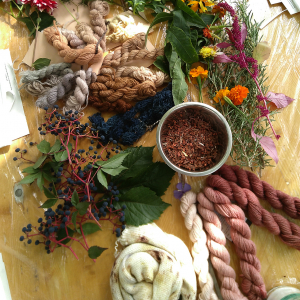 It is a controversial topic among hand dyers and knitters alike: plant-based dyes. Are they durable and lightfast? Are they non-toxic? Are they really natural? Do they bleed when knitted? Is dyeing more complicated than with acid dyes? Which fibres are suitable for plant dyes? We will address all these questions and more in this lecture. In addition, there will be a short theoretical introduction to dyeing with natural dyes.
Language: German
Presentations by Pamir Fine Fibers
The history of cashmere from Kyrgyzstan – from the Pamir Mountains to cashmere yarn
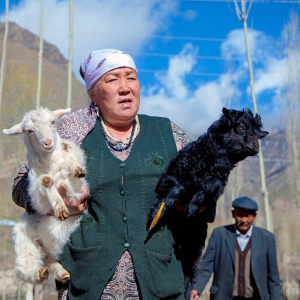 The Pamir Fine Fibers team tells the story of Kyrgyz cashmere: from the high pastures of the Pamir Mountains to the manufacturing methods used in Kyrgyzstan and Europe, right through to modern perspectives on sustainable yarn production.
The presentation combines impressive images and sounds from Kyrgyzstan with expert knowledge and personal experiences. Afterwards, there will be an opportunity for questions and discussion with the audience, and samples of the various stages of cashmere production will be shown.
Language: German
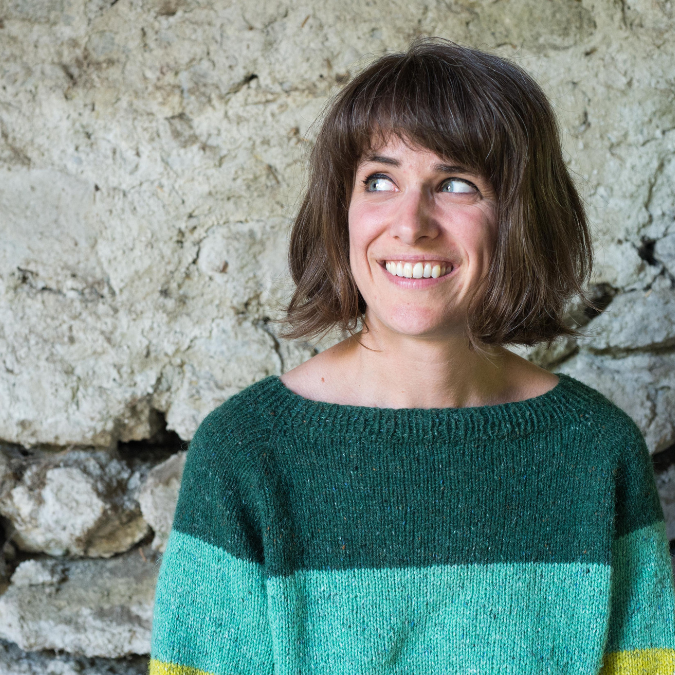
Presentations by Annika Lötscher
My guide to working with leftover wool
Unleash your creativity and learn how to tackle projects with leftover wool. Working with what you have at hand has its own unique charm. An invitation to curious yarn hoarders to discover the world of leftover wool and its possibilities… This lecture will give you: courage, inspiration, instructions
Language: German

Readings by Susanne Oswald
Author Susanne Oswald will be reading from her books every day of the Swiss Yarn Festival. Amidst the colourful hustle and bustle of the festival, visitors can escape everyday life for a moment, take a seat in a cosy corner and listen to the stories – a brief moment of tranquillity that enchants and inspires.
Language: German